TMS improve cognitive performance
Transcranial Magnetic Stimulation (TMS) has become a well-known treatment option for individuals living with depression, anxiety, OCD, PTSD, and other mental health conditions. Because TMS works by stimulating specific regions of the brain associated with mood regulation and cognitive processing, many people wonder about its broader effects. A common question that arises is: “Can TMS improve cognitive performance?” For individuals seeking not only emotional relief but also improvements in thinking and mental clarity, understanding the cognitive benefits of TMS can be very encouraging.
TMS uses magnetic pulses to activate neural pathways that may be underactive due to mental health disorders. In addition to improving mood, these pulses can help improve brain function related to focus, memory, attention, and decision-making. People whose depression has impaired their cognitive abilities often experience what is known as “brain fog,” which includes difficulty concentrating, trouble processing information, and slower thinking. By stimulating targeted brain regions, TMS may help restore healthier patterns of activity and enhance cognitive performance.
Many patients undergoing TMS report improvements in mental clarity, better organization of thoughts, and increased ability to complete tasks. These cognitive changes often occur as mood improves, but research suggests that some benefits may be independent of emotional relief. Because TMS encourages neuroplasticity—the brain’s ability to form new neural connections—cognitive functions may strengthen as the brain becomes more responsive and balanced. Patients often describe feeling more alert, having sharper focus, and experiencing increased productivity in daily life.
Another important factor is the improvement in energy and motivation that often accompanies tms near me. When individuals feel more mentally engaged and less burdened by depressive symptoms, they naturally perform better cognitively. For some, this means returning to work, school, or complex responsibilities with greater confidence. Improved sleep, reduced anxiety, and a more balanced stress response can also support cognitive performance and enhance overall brain health.
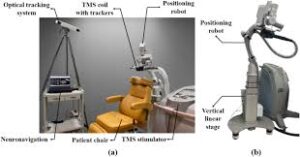
Can TMS improve cognitive performance?
It is essential to understand that results vary from person to person. While many individuals report cognitive benefits, others may notice more subtle changes that develop gradually. The degree of improvement often depends on the severity of symptoms before treatment and the specific areas of the brain that are being targeted. Patients who have experienced cognitive decline due to long-term depression may require more time to notice changes, while others may feel improvements early in the treatment process.
When individuals search for “tms near me”, they may see that many clinics highlight both emotional and cognitive improvements as part of the treatment experience. During consultations, providers often explain that TMS is not only intended to reduce symptoms but also support overall brain function and long-term wellness. Progress is usually tracked using symptom rating scales and patient feedback, including observations about concentration, memory, and mental clarity.
So, can TMS improve cognitive performance? For many patients, the answer is yes. While the primary goal of TMS is relief from mental health conditions, enhanced cognitive functioning is a valuable and common additional benefit. By helping the brain operate more effectively, TMS can support improvements in thinking, focus, and overall mental performance. Individuals who have experienced limitations due to depression or anxiety may find that TMS offers a renewed ability to think clearly and engage fully in daily life.