Can employers cut employee benefits during notice period?
employers cut employee benefits during notice period
Can employers cut employee benefits during notice period is a question that many employees and even some employers often ask when a termination or resignation occurs. Understanding employee benefits during notice period is essential because the notice period is a legally recognized transitional phase where employees remain entitled to certain compensations and protections. Whether employers can reduce or remove benefits during this time depends on employment contracts, company policies, and labor laws, and any attempt to do so may have legal consequences.
Employee benefits during notice period generally include salary, accrued leave, health insurance, pensions, and sometimes bonuses. These benefits are meant to provide financial and personal security to employees while they transition out of the organization. Courts and labor boards have consistently emphasized that the notice period is not just a formality; it is a period during which employees retain their rights. Therefore, arbitrary cuts to employee benefits during notice period are typically viewed as a violation of contractual or statutory obligations.
Salary is one of the most critical components of employee benefits during notice period. Employers are generally prohibited from reducing an employee’s salary during this period unless there is a mutual agreement or the contract explicitly allows such changes. Any attempt to cut pay can lead to legal claims, including demands for unpaid wages or damages. This principle reinforces the idea that employee benefits during notice period are protected and must be honored in full unless both parties agree otherwise.
Health insurance and other welfare benefits are also included in employee benefits during notice period. Employers are usually required to maintain existing health coverage, including medical, dental, and vision plans, for the duration of the notice period. Cutting or canceling health benefits without proper legal justification could expose employers to litigation. Employees often rely on these benefits to maintain continuity of care, especially if they or their dependents have ongoing medical needs.
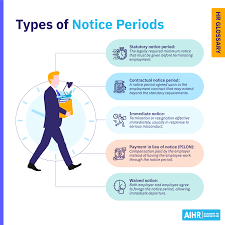
Can employers cut employee benefits during notice period?
Pensions and retirement contributions are another area where cutting benefits during the notice period can create legal complications. Most defined contribution and defined benefit plans continue accruing during the notice period as part of employee benefits during notice period. Any reduction or suspension of contributions could be challenged by the employee, particularly if the plan terms or employment contract guarantee continued contributions during the notice period.
Bonuses and incentive payments are sometimes a gray area. While discretionary bonuses may not always be guaranteed, contractual or performance-based bonuses earned during the period leading up to the notice should generally be paid. Attempting to cut such bonuses arbitrarily may be seen as a breach of contract and could result in legal action. This illustrates that employee benefits during notice period extend beyond basic salary to include other forms of compensation that employees have earned or are entitled to receive.
Employers must handle Employee benefits during notice period transparently and in compliance with labor laws. Any changes to benefits should be clearly communicated and legally justified. Employees should also familiarize themselves with their contracts and company policies to understand their entitlements fully. Ensuring clarity and adherence to rules reduces disputes and helps maintain a professional and fair transition process.
In conclusion, employers generally cannot cut employee benefits during notice period without risking legal consequences. Salary, health insurance, pensions, and earned bonuses are all protected elements of employee benefits during notice period. Respecting these entitlements ensures a smooth and lawful transition for both employees and employers while safeguarding financial and personal security during this critical phase.